
Understanding Brick Making in Kenya
Overview of Brick Industry in Kenya
Kenya’s brick-making industry isn’t just a dusty corner of construction; it’s a vibrant backbone of the nation’s building boom. With urbanization accelerating faster than a matatu on a busy Nairobi highway, the demand for quality bricks has skyrocketed. The process of making bricks in Kenya combines age-old techniques with innovative methods, creating a fascinating blend of tradition and modernity. From clay extraction to firing, each step is critical in ensuring the durability of the final product.
In Kenya, the brick industry is often characterized by its adaptability. Local artisans and entrepreneurs leverage both manual labor and mechanized equipment, depending on the scale of their operations. The most common types of bricks are burnt clay bricks, which are preferred for their strength and weather resistance. Interestingly, the industry also supports many small-scale farmers who supply raw materials, making it a vital part of the local economy.
To understand the complexity of making bricks in Kenya, it’s essential to recognize the key stages involved:
- Clay sourcing from fertile, well-drained deposits
- Molding the clay into uniform shapes
- Sun-drying or firing in kilns to harden the bricks
- Quality control to ensure resilience and longevity
Making bricks in Kenya isn’t just about creating building blocks; it’s about shaping the future of the nation’s infrastructure with each well-fired brick laid in the ground. The industry’s resilience and innovation are truly a testament to Kenyan ingenuity!
Importance of Brick Making for Kenya’s Construction Sector
Making bricks in Kenya is more than a craft; it’s a cornerstone of the country’s rapid urban development. As Kenya’s construction sector continues to grow, the demand for durable, reliable bricks has never been higher. Each brick laid represents progress, shaping the skyline of Nairobi, Mombasa, and beyond.
The importance of making bricks in Kenya lies in its ability to support sustainable infrastructure. Local artisans and entrepreneurs play a vital role in this industry, utilizing both traditional techniques and modern machinery. This blend ensures that the bricks are not only strong but also cost-effective and environmentally friendly.
For those involved, understanding the key stages— from sourcing clay and molding to firing— is crucial. The industry’s resilience is rooted in its adaptability, catering to the needs of a booming construction sector while supporting local economies. Making bricks in Kenya is truly shaping the nation’s future, one sturdy block at a time!
Types of Bricks Commonly Used in Kenya
In the shadowed corridors of Kenya’s burgeoning construction scene, understanding the different types of bricks used is essential for those who dare to delve into making bricks in Kenya. Each brick, a silent witness to the nation’s relentless pursuit of progress, bears the mark of its origin—be it traditional or modern. Among the most common varieties are the red clay bricks, whose rich hue tells tales of the fertile earth they come from, and the concrete blocks, forged through a more industrial process, yet still rooted in local craftsmanship.
The choice of brick type often hinges on the purpose and environment—whether for the lofty skyscrapers of Nairobi or the humble dwellings in Mombasa. There are also interlocking bricks, designed for durability and ease of construction, making them a favorite among artisans passionate about making bricks in Kenya that stand the test of time. These different types showcase the versatility of Kenyan artisans and the evolving landscape of brick making in the country.
Materials Used in Making Bricks in Kenya
Clay and Soil Types Suitable for Brick Production
In the vibrant tapestry of making bricks in Kenya, the choice of materials is as crucial as the artistry of craftsmanship. The heart of this process beats within the rich, earthen veins that course through the land—clay and soil—each whispering tales of centuries-old traditions and natural resilience. To forge durable, weather-resistant bricks, selecting the right soil type is paramount; loamy and sandy soils often serve as the ideal canvas, their composition offering the perfect balance of plasticity and strength.
Kenyan clay varieties, abundant and varied across regions, hold the secret to creating bricks that withstand the test of time. These clays, when properly processed, transform into sturdy building blocks that echo the country’s architectural heritage. The key lies in understanding the mineral content—those with a low organic matter and sufficient silica content tend to produce bricks with superior durability. This harmony of earth and effort ensures that every brick made in Kenya carries the promise of resilience and beauty.
- Clay with high plasticity for molding ease
- Sandy soils for structural stability
- Low organic content to prevent cracking
Additional Materials (Sand, Lime, etc.)
In the intricate dance of making bricks in Kenya, the harmony of materials is as vital as the rhythm of hands shaping them. Beyond the primary clay and soil, artisans often incorporate supplementary materials that elevate the strength and longevity of each brick. Sand, for instance, is not merely a filler but a fundamental component that lends structural stability and reduces cracking during drying and firing. Its granular nature acts as the backbone of the brick, ensuring resilience against Kenya’s climatic whims.
Additionally, lime is sometimes introduced to improve the plasticity and binding capacity of the mixture, forging a bond that withstands the relentless passage of time. The synergy of these materials—clay, sand, and lime—creates a tapestry of durability, each element playing a pivotal role. For making bricks in Kenya, a meticulous blend of additional materials ensures the final product is not only functional but also a testament to craftsmanship. When these elements unite, they transform raw earth into enduring symbols of Kenya’s architectural soul.
Sourcing Raw Materials Locally
In the pursuit of making bricks in Kenya, sourcing raw materials locally is not just a matter of convenience but a vital element that influences the quality and durability of the final product. Kenya’s rich geological tapestry offers an abundance of clay and soil types perfectly suited for brick production, allowing artisans to harness natural resources with minimal environmental impact. The strategic utilization of local materials reduces transportation costs and supports community economies, fostering a sustainable cycle of craftsmanship.
Beyond clay, supplementary materials such as sand and lime play a crucial role. Sand, abundant along Kenya’s coastline and riverbeds, acts as a natural stabilizer, enhancing the structural integrity of each brick. Lime, often derived from local limestone deposits, improves plasticity and binding capacity, forging a resilient bond that withstands Kenya’s climatic challenges. Incorporating these elements in precise proportions is the art that transforms raw earth into enduring architectural symbols.
When making bricks in Kenya, the careful selection and sourcing of these materials—whether through traditional methods or modern techniques—are fundamental to achieving high-quality, long-lasting bricks. This harmonious blend of natural resources and skilled craftsmanship elevates Kenya’s brick industry, turning earth into a legacy of resilience and beauty.
The Brick Making Process in Kenya
Preparing the Raw Materials
Making bricks in Kenya starts with sourcing high-quality raw materials. The key is selecting clay and soil types that have the right consistency and moisture content. These materials are abundant in many regions, making local sourcing both cost-effective and sustainable. Once gathered, the raw materials often undergo a cleaning process to remove debris and impurities, ensuring a stronger, more durable brick.
After cleaning, the clay and soil are mixed thoroughly with water to achieve the optimal plasticity. This step is crucial for shaping the bricks uniformly. To enhance strength and durability, some producers incorporate additional materials like sand or lime, which improve the firing quality and reduce cracking during drying. The mixture is then molded into bricks either by hand or with mechanical presses, depending on the scale of production.
- Mix raw materials
- Shape into molds
- Dry the bricks naturally or in a controlled environment
- Fire in kilns at high temperatures for strength and durability
This meticulous process of making bricks in Kenya ensures each unit meets construction standards, supporting the country’s booming infrastructure projects. It’s a craft rooted in tradition but driven by innovation and local resourcefulness.
Mixing Techniques for Quality Bricks
Making bricks in Kenya is an age-old craft that continues to evolve with modern techniques and local ingenuity. The key to producing high-quality bricks lies in the mixing techniques used during the raw material preparation. Properly blending clay, soil, and additional materials like sand or lime creates a resilient and durable brick, essential for Kenya’s growing infrastructure projects.
During the mixing process, raw materials are combined thoroughly to ensure uniformity. This step is critical because inconsistent mixtures can lead to cracks or weak spots in the final product. Some producers use mechanical mixers for consistency, while others prefer traditional hand-mixing methods, especially in rural areas where resources are limited. Achieving the right plasticity through water addition is crucial for shaping the bricks smoothly and maintaining their structural integrity.
- Uniform distribution of raw materials
- Optimal moisture content
- Incorporation of stabilizers like lime or sand for strength
Once mixed, the material is shaped into molds, either manually or mechanically, in a process that demands precision. The quality of these initial steps directly impacts the durability of the finished brick, making the mixing techniques in making bricks in Kenya a vital part of the entire production process. This attention to detail ensures that each brick can withstand Kenya’s diverse climate and construction demands, supporting the country’s infrastructure growth with locally sourced, resilient materials.
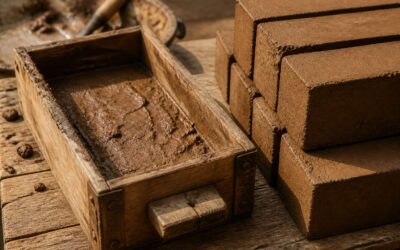
Molding Methods (Hand Molding, Machine Molding)
The transformation from raw earth to a sturdy brick is a dance of craftsmanship and ingenuity—an art form that has withstood the test of time in Kenya. When delving into the process of making bricks in Kenya, one quickly realizes that the mold used can significantly influence the final product’s strength and appearance. Two primary molding methods dominate this craft: hand molding and machine molding.
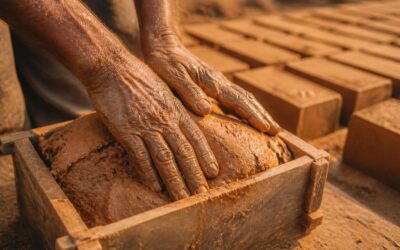
Hand molding, an age-old technique, remains prevalent in rural communities where resources are limited. Skilled artisans carefully shape each brick manually, ensuring consistency through experience and intuition. This method allows for customization and is often preferred for smaller projects or traditional structures. Conversely, machine molding exemplifies modern efficiency. Automated presses produce uniform bricks at a rapid pace, suitable for large-scale construction projects across Kenya.
- Speed and volume
- Uniformity and precision
- Reduced manual labor
Both methods demand an understanding of the raw material’s plasticity and moisture levels, which directly impact the brick’s durability. Whether through the gentle press of a hand or the power of a machine, making bricks in Kenya remains a blend of tradition and innovation—each brick telling a story of resilience and craftsmanship rooted deep in the country’s vibrant landscape.
Drying and Curing Processes
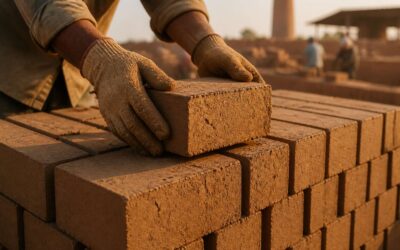
After the raw earth has been molded into its preliminary shape, the drying and curing processes become crucial in transforming it into a durable brick. In Kenya’s climate, drying is often a natural process, leveraging the sun’s warmth to evaporate excess moisture. Proper drying not only enhances the brick’s strength but also prevents cracks that could compromise integrity. Typically, bricks are laid out in open spaces, stacked carefully to allow for uniform drying, which can take several days depending on weather conditions.
Following drying, curing is essential—this is where the brick gains its final strength and resilience. Curing involves controlled environmental conditions, sometimes using water or moisture retention techniques to prevent rapid drying that might lead to surface cracking. In Kenya, traditional curing methods often include covering the bricks with mats or tarps to shield them from rain and direct sunlight, ensuring consistent moisture levels.
- Sun-drying in open fields
- Covering with tarps or mats for controlled curing
- Monitoring moisture levels to prevent cracking
Both drying and curing are vital steps in the making bricks in Kenya, as they determine the durability and quality of the final product. This delicate balance of natural elements and careful process control embodies the essence of Kenyan brick-making—an art that harmonizes tradition with modern precision.
Firing Techniques and Kiln Types
Firing techniques are the final, fiery test that transforms raw, dried bricks into resilient construction materials. In Kenya, traditional methods still hold sway, with kilns serving as the heart of the process. These kilns vary from simple clamp kilns, built with locally sourced materials, to more sophisticated annular kilns designed for efficiency. The choice of firing technique can significantly influence the strength and durability of the bricks, making it a critical step in making bricks in Kenya.
One common approach involves stacking the dried bricks in a kiln and igniting a controlled fire underneath or within the structure. This process can take several days, during which temperature control is vital. Properly fired bricks develop a hard, glassy surface, ensuring they withstand Kenya’s diverse climate challenges. Kiln types such as traditional earth kilns and modern tunnel kilns are prevalent, each offering unique advantages tailored to local production needs.
- Traditional clamp kilns
- Annular or circular kilns
- Modern tunnel kilns
Understanding the nuances of kiln operation and choosing the right firing technique is essential for producing high-quality bricks that meet both local and international standards. Making bricks in Kenya involves mastering these firing methods, which add that final touch of resilience and strength to every brick—truly a blend of tradition and innovation in the art of brick-making.
Tools and Equipment for Making Bricks in Kenya
Basic Tools Needed (Shovels, Mixing Pits, Molds)
Making bricks in Kenya requires more than just clay and soil; the right tools can significantly boost efficiency and quality. Basic equipment such as shovels, mixing pits, and molds are essential for small-scale brick production. A sturdy shovel helps in moving raw materials swiftly, while mixing pits ensure thorough blending of clay, sand, and other additives. Molds define the size and shape of the bricks, making the process more uniform and easier to handle.
For those looking to scale up, investing in simple yet durable equipment like manual or motorized brick molds can save time and labor. Proper tools not only streamline the process but also improve the overall quality of the bricks. With the right basic tools, making bricks in Kenya becomes a manageable task that can meet the demands of local construction projects efficiently. Proper tool selection is a crucial step in turning raw materials into sturdy, reliable bricks for Kenya’s growing infrastructure.
Types of Brickyards Equipment (Brick Machines, Kilns)
When venturing into the realm of making bricks in Kenya, the right tools and equipment become the silent architects of success. Beyond raw materials, the machinery that shapes, molds, and fires these bricks can transform a small-scale endeavor into a thriving enterprise. For those seeking to elevate their production, investing in brick machines—whether manual or motorized—can drastically reduce labor intensity and improve consistency. Kilns, on the other hand, are vital for the firing process, ensuring the durability and strength of each brick.
In addition to traditional hand tools, modern equipment like automated brick presses and efficient kiln systems streamline operations, allowing producers to meet the growing demands of Kenya’s construction sector. The choice of equipment often hinges on scale—smaller operations may rely on simple brick molds, while larger factories deploy sophisticated machinery.
- Brick machines
- Efficient kilns
are the core components that turn raw clay into sturdy, reliable bricks, ready to withstand Kenya’s climatic challenges. Ultimately, the right combination of tools and equipment is the backbone of a resilient brick-making business in Kenya—where craftsmanship meets innovation.”
Advantages of Using Modern Equipment
Modern tools and equipment have revolutionized the art of making bricks in Kenya, transforming traditional practices into efficient, high-quality production processes. The advantages of using contemporary machinery are evident in the consistency, speed, and durability of the bricks produced. Automated brick presses, for instance, reduce manual labor and ensure uniformity, making the entire making bricks in Kenya process more reliable and scalable.
Furthermore, efficient kiln systems—such as tunnel kilns and Hoffman kilns—maximize fuel efficiency and shorten firing times, leading to cost savings and a greener footprint. For small-scale producers, simple hand-held molds and portable drying racks still hold value; however, investing in modern equipment unlocks new growth opportunities.
- Increased production capacity
- Enhanced brick quality
- Reduced labor costs
These benefits highlight how embracing innovation in tools and equipment can elevate a brick-making business in Kenya from local trades to competitive industry players. When making bricks in Kenya, the right equipment not only boosts productivity but also fosters resilience amid Kenya’s growing construction demands.
Cost Considerations and Budgeting
Initial Investment for Equipment and Materials
Embarking on the journey of making bricks in Kenya is an endeavor that requires both strategic foresight and a keen eye for detail. The initial investment can seem daunting, yet it is the cornerstone of establishing a sustainable and profitable brick-making enterprise. Equipment costs vary significantly depending on whether one opts for traditional hand-molding techniques or embraces modern machinery, which accelerates production but demands a heftier upfront expense.
For those venturing into making bricks in Kenya, budgeting must encompass raw materials, such as clay, sand, and fuel for firing, alongside essential tools and durable kilns. A comprehensive cost analysis reveals that the biggest expenditure often lies in acquiring a reliable brick kiln—be it traditional firewood kilns or advanced tunnel kilns.
- Raw material procurement
- Equipment purchase and maintenance
- Labor expenses
Additionally, unexpected costs can arise, so a contingency fund ensures the project’s resilience amid economic fluctuations.
Ongoing Costs (Labor, Raw Materials, Energy)
Cost considerations for making bricks in Kenya are pivotal to ensuring a profitable venture. The ongoing expenses—such as labor, raw materials, and energy—can significantly impact your bottom line. Labor costs fluctuate based on the scale of operations and skill levels, but they are an unavoidable expense that requires careful planning. Raw materials like clay, sand, and fuel for firing are often sourced locally, reducing transportation costs and supporting local economies.
Energy consumption, especially during firing, can be a major expense, particularly if you’re using traditional kilns. To keep costs manageable, many brick makers in Kenya opt for energy-efficient kiln types or implement alternative firing methods. A typical budget should include:
- Labor expenses
- Raw material procurement
- Energy and fuel costs
Monitoring these ongoing costs closely helps maintain profitability and ensures your making bricks in Kenya business can withstand economic shifts. Being aware of these key financial elements is essential for turning raw materials into durable, quality bricks that stand the test of time and market demand.
Cost-Saving Tips for Brick Makers
In the bustling world of construction, understanding the intricate dance of costs is paramount for anyone venturing into making bricks in Kenya. Every shilling spent must be justified, every resource optimized. Cost considerations in this industry are not merely about expenses; they are the blueprint for sustainability and growth. The delicate balance between raw material procurement, energy consumption, and labor wages can determine whether a brick-making enterprise thrives or falters.
To keep expenses in check, many brick makers in Kenya turn to local sourcing, tapping into the rich clay and sand deposits that surround them. This not only reduces transportation costs but also fosters community development. Additionally, implementing energy-efficient kiln types or exploring alternative firing methods can dramatically lower energy and fuel costs—key components of the ongoing expenses.
Smart budgeting, coupled with cost-saving tips like investing in modern equipment or optimizing drying times, can transform a modest operation into a profitable venture. For example, prioritizing energy-efficient kilns or exploring renewable energy sources can yield long-term savings. Ultimately, meticulous monitoring and strategic planning in making bricks in Kenya forge the path toward a resilient, cost-effective business that withstands economic fluctuations and market demands.
Regulations and Standards for Brick Making in Kenya
Import and Export Regulations
Embarking on the journey of making bricks in Kenya isn’t just about mixing soil and hoping for the best; it’s a dance with regulations and standards that keep everyone’s feet firmly on the ground—literally! The Kenyan government, along with various regulatory bodies, has laid down strict guidelines to ensure that bricks meet quality and safety benchmarks. These standards are designed to prevent the construction industry from turning into a backyard mud pie contest gone wrong.
When it comes to import and export regulations for brick making in Kenya, there’s a surprising twist—most raw materials are sourced locally, but if you plan to import specialized equipment or raw ingredients, you’ll need to navigate a maze of customs paperwork and import duties. The Kenya Bureau of Standards (KEBS) is the gatekeeper, enforcing compliance with internationally recognized standards that cover everything from clay composition to firing temperature. To stay compliant, brick producers often adhere to a list of quality parameters, such as durability, compressive strength, and moisture resistance, ensuring Kenyan-made bricks can stand tall against both weather and skepticism.
Environmental Compliance
Regulations and standards play a crucial role in making bricks in Kenya, ensuring durability, safety, and environmental sustainability. The Kenyan government, through the Kenya Bureau of Standards (KEBS), enforces strict guidelines that all brick producers must adhere to. These standards cover everything from clay quality to firing temperatures, helping maintain high-quality brick production across the country.
Environmental compliance is equally vital in making bricks in Kenya. Authorities emphasize minimizing pollution and conserving natural resources. Brick manufacturers are encouraged to implement eco-friendly practices such as using locally sourced raw materials and adopting energy-efficient firing methods. This not only reduces environmental impact but also aligns with Kenya’s national sustainability goals.
To stay compliant, producers often follow a set of basic procedures and standards, including:
- Meeting minimum compressive strength requirements
- Ensuring moisture resistance
- Adhering to environmental regulations on emissions and waste disposal
Regulations also specify the need for proper waste management and pollution control measures during the making bricks in Kenya process. By complying with these standards, brick makers can access local and international markets confidently, knowing their products meet the highest benchmarks of quality and environmental responsibility.
Quality Standards and Certifications
Regulations and standards serve as the backbone of quality assurance in the intricate landscape of making bricks in Kenya. The Kenyan government, through the Kenya Bureau of Standards (KEBS), establishes rigorous guidelines that guarantee durability, safety, and environmental sustainability. These standards are not merely bureaucratic formalities; they are a moral compass guiding brick manufacturers toward excellence. Ensuring compliance with KEBS standards means adhering to precise specifications on clay quality, firing temperature, and moisture content, which are critical for producing resilient bricks.
Environmental compliance is equally paramount. Authorities emphasize the importance of minimizing pollution and conserving Kenya’s natural resources during brick making processes. To meet these requirements, brick producers often implement eco-friendly practices such as sourcing raw materials locally and adopting energy-efficient firing methods. These measures not only align with Kenya’s national sustainability goals but also enhance market competitiveness.
- Meeting minimum compressive strength requirements
- Ensuring moisture resistance
- Adhering to emissions and waste disposal regulations
By strictly following these standards, brick makers in Kenya can confidently access both local and international markets, assured that their products meet the highest benchmarks of quality and environmental responsibility. Such adherence fosters trust and sustains the integrity of the making bricks in Kenya industry, making it a beacon of excellence amidst evolving construction demands.
Business Opportunities in Kenyan Brick Making Industry
Market Demand for Bricks in Kenya
The construction sector in Kenya is experiencing an unprecedented surge, transforming the landscape of urban and rural development alike. Amidst this growth, the business opportunities within the making bricks in Kenya industry are expanding exponentially. As Kenya’s demand for durable, affordable bricks rises, entrepreneurs find themselves at a crossroads—either to innovate within traditional methods or embrace modern, efficient technologies to meet market needs.
The market demand for bricks in Kenya is driven by a combination of government infrastructure projects, private real estate developments, and a burgeoning middle class eager for quality housing. This burgeoning demand creates a fertile ground for small-scale brick makers and large factories alike to carve out a niche.
In fact, the proliferation of construction projects suggests a need for an organized, sustainable supply chain—one that can adapt to evolving environmental standards and quality benchmarks. The making bricks in Kenya industry is not merely about meeting immediate needs; it’s about shaping the future of Kenyan urbanization and economic resilience.
Export Opportunities
As Kenya’s construction boom accelerates, the export opportunities for making bricks in Kenya are increasingly compelling. The country’s burgeoning demand for quality building materials has attracted international interest, especially from neighboring regions eager to capitalize on Kenya’s skilled brick-making industry. Exporting bricks not only diversifies revenue streams but also positions Kenyan entrepreneurs as key players in the regional building materials market.
Global markets are seeking durable, eco-friendly bricks that meet stringent environmental standards—a niche where Kenya’s locally sourced clay and innovative firing techniques shine. By leveraging modern equipment and adhering to quality certifications, Kenyan brick makers can access lucrative markets in East Africa, the Horn of Africa, and beyond. Moreover, strategic partnerships and compliance with export regulations can unlock pathways to international trade, transforming small-scale brick manufacturing into a significant export enterprise.
To maximize these opportunities, brick producers should consider the following:
- Ensuring raw material quality to meet international standards
- Investing in modern kiln technology for consistent quality
- Establishing reliable logistics and export channels
With Kenya’s strategic location and growing infrastructure demands, making bricks in Kenya is not just a local venture but a gateway to regional and global markets, promising substantial growth for ambitious entrepreneurs.
Niche Markets (Eco-friendly Bricks, Interlocking Bricks)
The Kenyan brick-making industry is teeming with opportunities beyond traditional construction. As the demand for sustainable building materials rises, niche markets such as eco-friendly bricks and interlocking bricks are gaining traction. These innovative options not only appeal to environmentally conscious consumers but also offer practical advantages for builders, reducing the need for mortar and easing construction processes.
Eco-friendly bricks, made from locally sourced clay mixed with environmentally safe binders, are particularly popular among green developers. Interlocking bricks, on the other hand, simplify the building process and minimize waste. They are ideal for low-cost housing projects and small-scale developments, especially in rural areas where affordability and durability are critical.
For entrepreneurs interested in making bricks in Kenya, exploring these niche markets can unlock new revenue streams. By focusing on quality and sustainability, brick makers can differentiate themselves in a competitive landscape and tap into regional markets that value eco-conscious construction materials.
Challenges and Risks in Making Bricks in Kenya
Supply Chain Issues
The journey of making bricks in Kenya is fraught with formidable challenges that can hinder even the most dedicated artisans. Supply chain issues stand as a towering obstacle—delays in sourcing raw materials like clay, sand, and lime often ripple through the entire production process, causing setbacks and increased costs. Unpredictable weather patterns, especially during the rainy season, further complicate drying and curing, risking cracks and structural weaknesses in the final product.
Moreover, the reliance on traditional methods and limited access to modern equipment can hamper efficiency and quality. For example, outdated kilns tend to consume more energy and produce inconsistent firing results, impacting the durability of bricks. To navigate these hurdles, many brick makers in Kenya find themselves caught in a cycle of fluctuating raw material prices and logistical bottlenecks. These supply chain issues not only elevate expenses but also threaten to diminish the competitiveness of their products in a burgeoning construction market.
Addressing these risks requires innovative solutions and resilient sourcing strategies. But the reality remains — supply chain disruptions continue to challenge the art of making bricks in Kenya, making it a complex yet rewarding pursuit for those who persevere amidst the chaos. The resilience and ingenuity of Kenyan brick makers are truly tested, yet their craftsmanship endures, forging a path through adversity to build a resilient construction industry.
Environmental Challenges
In the shadowed corridors of Kenya’s burgeoning construction industry, the process of making bricks in Kenya is fraught with environmental challenges that threaten to unravel the delicate balance of craftsmanship and nature. Unpredictable weather—particularly the relentless rains—casts a sinister pall over drying and curing stages, risking cracks that weaken the very foundation of future structures. The dampness seeps into the raw materials, and without proper drying, the resilience of the bricks is compromised, haunting builders with the specter of structural failure.
Furthermore, the soil and clay essential for making bricks in Kenya are often subjected to environmental depletion and erosion. Unsustainable extraction practices can lead to soil degradation, diminishing the quality of raw materials available for brick production. This scarcity not only raises costs but also challenges brick makers to find innovative solutions to sustain their craft amidst the encroaching environmental shadows.
Adding to the darkness, limited access to modern equipment exacerbates these risks, as traditional methods struggle to withstand the whims of nature. Outdated kilns, for instance, consume vast amounts of energy and produce inconsistent firing results, further threatening the durability of the final product. As the environment continues to test the resilience of Kenyan brick makers, their perseverance becomes a testament to the indomitable spirit that keeps the industry alive, despite the environmental adversities that loom like ghosts in the shadows.
Competition and Market Saturation
The landscape of making bricks in Kenya is increasingly shaped by fierce competition and market saturation. As more entrepreneurs enter the industry, the risk of oversupply grows, diluting profit margins and intensifying price wars. This saturation makes it difficult for small-scale brick makers to carve out a sustainable niche, especially without access to modern machinery or innovative marketing strategies. Moreover, fluctuating demand driven by economic cycles and construction booms creates unpredictable revenue streams, challenging the resilience of brick manufacturers.
One of the major hurdles is the proliferation of low-cost imports, which flood the market and threaten local producers’ viability. To survive, brick makers in Kenya must differentiate themselves through quality or niche products like eco-friendly or interlocking bricks. For those venturing into making bricks in Kenya, understanding the competitive landscape is crucial. It’s no longer enough to produce; success demands strategic positioning amidst the relentless tide of market saturation.
Tips for Success in Brick Making Business in Kenya
Choosing the Right Location
Choosing the right location is the cornerstone of a successful brick making business in Kenya. The terrain, accessibility, and proximity to raw material sources can significantly impact your productivity and costs. An ideal site should be close to clay and soil deposits, minimizing transportation expenses and ensuring a steady supply of quality raw materials. Additionally, consider areas with reliable water access for mixing and curing processes, which are vital in making bricks in Kenya.
Visibility and accessibility also matter; a location near growing construction hubs or urban centers can open doors to immediate markets. It’s essential to evaluate environmental regulations and land use policies in your area to avoid future legal complications. Remember, a strategic location not only boosts efficiency but also enhances your reputation among clients looking for dependable, locally made bricks.
When scouting for land, prioritize areas with minimal environmental constraints and sufficient space for drying and storage. Establishing a well-chosen site lays the foundation for a thriving brick making enterprise in Kenya, turning raw soil into durable bricks that support Kenya’s expanding infrastructure.
Ensuring Quality Control
Ensuring consistent quality control is the cornerstone of a successful brick making business in Kenya. Without meticulous oversight, even the best raw materials can produce subpar bricks that compromise durability and customer trust. To maintain high standards, it’s essential to implement a rigorous quality assurance process at every stage of making bricks in Kenya. This includes regular testing of raw soil for moisture content and plasticity, as well as monitoring the firing temperature to ensure uniformity.
A practical approach involves establishing standard operating procedures (SOPs) for mixing, molding, drying, and firing. These SOPs help reduce variability and improve overall product consistency. Additionally, investing in basic tools such as moisture meters and temperature gauges can elevate the quality of your bricks significantly.
For example, maintaining a controlled environment during drying and curing phases prevents cracks and deformities, which are common pitfalls in the brick making process. An unyielding focus on quality control not only elevates your reputation but also positions your business as a reliable supplier to Kenya’s booming construction sector. When making bricks in Kenya, precision and consistency are what transform raw soil into durable, market-ready products that stand the test of time.
Effective Marketing Strategies
Effective marketing strategies are vital for making bricks in Kenya stand out in a competitive market. Building a strong brand presence and establishing trust with local contractors and builders can significantly boost sales. One way to achieve this is by emphasizing the quality and durability of your bricks, which are critical selling points in Kenya’s growing construction sector.
Networking within the construction industry opens doors to ongoing contracts and referrals. Participating in local trade fairs and industry exhibitions not only increases visibility but also demonstrates your commitment to quality standards. Additionally, leveraging digital platforms—such as social media and a professional website—can help reach broader audiences, including niche markets like eco-friendly bricks or interlocking bricks.
For making bricks in Kenya, tailored marketing approaches such as offering flexible payment terms or volume discounts can attract larger clients. Remember, consistency in product quality paired with strategic outreach creates a compelling value proposition that resonates with Kenyan builders and developers alike!
0 Comments