
Uganda Brick Making Industry: Machinery Solutions and Trends
Market Demand and Use-Cases for Brick Making Equipment
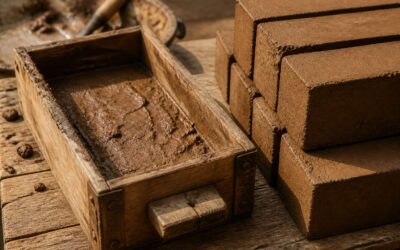
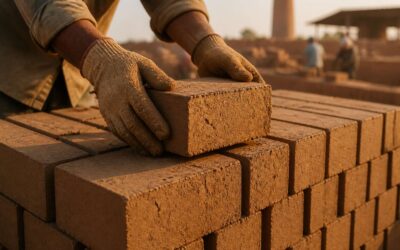
Uganda’s brick market is buzzing with momentum, clocking roughly 5% annual growth in demand that keeps presses humming and investors smiling. A bricks making machine in uganda isn’t just equipment—it’s a productivity booster, turning clay into uniform blocks faster than a coffee-fueled sprint.
Smart machinery solutions are shaping trends across the industry:
- Automated batching and mixing for consistent brick quality
- Energy-efficient kilns and variable-frequency drives to cut running costs
- Modular, mobile plants that fit tight sites and changing demand
For South Africa’s builders eyeing East Africa, Ugandan and regional plant setups promise practical use-cases: affordable housing blocks, school infrastructure, and rural clinics augmented by scalable brick production lines—no frothing at the mouth, just reliable output and predictable schedules.
Overview of Brick Presses, Block Machines, and Moulding Machines
Uganda’s brick yards are quietly transforming. The bricks making machine in uganda landscape moves clay toward uniform blocks with a reliability that used to require hand labor and luck. These days, compact brick presses blend into tight sites, delivering steady throughput.
Brick presses focus on uniformity; block machines handle larger blocks; moulding machines bring flexibility. In practice, operators choose equipment that fits site geometry and local supply chains, with service networks extending from Entebbe to Nairobi.
- Brick presses optimized for consistent face density
- Block machines adaptable to different formats
- Moulding machines calibrated for rapid cycle times
For South Africa’s developers eyeing East Africa, modular, mobile lines align with changing sites and budget realities—quiet, reliable production that respects schedules.
Key Industry Trends in East Africa
<p Across East Africa, brick yards are trimming downtime and lifting throughput; one regional pulse-line notes a 25% jump in on-site productivity with modular equipment. The bricks making machine in uganda is quietly turning clay into uniform blocks at steady rhythm, even on tight plots.
Modern fleets lean toward modular, mobile lines that flex with site geometry and budget shifts. Service networks stretch from Entebbe to Nairobi, keeping spare parts and skilled technicians within reach. Expect gear calibrated for rapid cycles, better face density, and lower energy use as standard practice in new plants.
- Modular, mobile lines that move with the job site
- Expanded local after-sales networks and training
- Energy-efficient motors and dust-control enhancements
For South Africa’s developers watching East Africa, these tendencies translate into predictable schedules and resilient supply chains that still respect price sensitivity and land constraints.
Popular Materials and Their Impact on Machinery Choice
Uganda’s brick-making landscape blends traditional clay work with modern, mobile presses designed for scattered sites and tight budgets. A regional engineer notes, “The choice of brick and press determines the pace of growth,” and the takeaway is clear: efficiency and reliability matter more than ever on crowded building sites.
Materials dictate the machinery path. Consider the following realities:
- Clay bricks: mid-range hydraulic presses with uniform compaction.
- Interlocking blocks: high-tamp, vibration-assisted systems for tight tolerances.
- Cement-stabilized soil blocks: energy-efficient, robust presses with integrated mixing.
For South African investors exploring East Africa, Uganda’s offerings align practical scalability with service networks. When searching for bricks making machine in uganda, focus on modularity, local parts availability, and after-sales support to sustain competitive timetables.
Choosing the Right Brick Making Machine in Uganda
Manual vs Automatic Brick Making Machines
From the shadowed corner of a workshop, a startling truth glints like metal in moonlight: the bricks making machine in uganda can transform raw clay into order, or yield only chaos if misjudged. In this market, delivery times, maintenance cadence, and the reliability of suppliers weave into every wall you raise. There is a gravity to choosing equipment that speaks to endurance!
Manual and automatic options each carry a different temperament, the choice sculpting your rhythms and costs.
- Manual brick making machines: lower upfront costs, more labour, slower output, and tactile control over the process.
- Automatic brick making machines: higher initial investment, tighter tolerances, faster cycles, and less hands-on time.
For readers in South Africa exploring opportunities linked to Uganda’s burgeoning construction scene, the decision should align with your horizon—where reliability meets cadence, and where walls remember the hands that built them.
Single-Phase vs Three-Phase Power and Availability in Uganda
“Power is the rhythm of progress,” and the bricks making machine in uganda moves to a steady beat. Single-phase services dominate rural workshops; three-phase powers industrial zones, setting the tempo for your mold.
Single-phase is gentler on the wallet but slower in rotation and torque. Three-phase offers higher throughput and smoother operation—but it demands steadier wiring and a more deliberate upfront plan. Availability in Uganda varies by region, so a backup strategy matters.
Consider these touchstones as you map capacity to cadence:
- Power reliability and backup
- Required volume and cycle time
- Local spare parts and service
For South Africa readers exploring opportunities on Uganda’s construction frontier, the choice echoes your horizon—reliability meeting cadence, as walls remember the hands that built them. The bricks making machine in uganda asks for a steadfast electrical heartbeat as you scale.
Interlocking Brick Machines and Their Advantages
Choosing the right bricks making machine in uganda can redefine a build site’s rhythm. Interlocking brick machines promise consistency, minimal waste, and easier maintenance on crowded jobs. A local mason notes, “When the press runs smoothly, walls remember it.”
Interlocking blocks bite into the work with tighter tolerances, less cement, and faster assembly. They fit well in both urban projects and rural sites, where downtime hurts schedules and budgets.
- Power compatibility and backup needs
- Maintenance and local service availability
- Spare parts accessibility and lead times
Look for a model that balances rugged build with simple operation. For South Africa readers, reliability in Uganda maps a clean line from design to finished wall, across sites and heat.
Budgeting: Purchase Price, Installation, and Running Costs
In Uganda, the right bricks making machine in uganda can cut site downtime by up to 40%, letting projects breathe and finish on schedule. A well-tuned press turns noise into order, and order into walls that stand with quiet grace. On crowded sites, rhythm matters as surely as mortar, and reliability becomes the quietest partner!
Budgeting rests on three tides: purchase price, installation, and running costs.
- Purchase price: upfront investment and amortization
- Installation: site prep, downtime, and commissioning
- Running costs: power, maintenance, and parts
For South Africa readers, a model that balances rugged build with straightforward operation keeps budgets honest across Ugandan sites. Power compatibility and local service availability map the journey from design to finished wall, wherever the sun tilts.
Performance, Efficiency, and Sustainability in Ugandan Brick Machinery
Energy Consumption, Power Options, and Efficiency Ratings
Power costs whisper like a dragon’s breath, and the bricks making machine in uganda learns to listen. Performance hinges on energy consumption, power options, and balance between throughput and waste. I’ve watched yards trim cycles into steadier, leaner output.
Efficiency is a daily discipline on the yard floor, where soft-running motors and smart drives cut waste without sacrificing pace. Sustainability follows, as lower consumption means a lighter footprint for the bricks making machine in uganda.
- Energy-efficient motors and variable drives
- Grid, genset, or solar back-up options
- Clear efficiency ratings and easy maintenance
These choices travel beyond a single site, guiding buyers in South Africa and across Southern Africa toward durable, responsible performance and a lighter footprint.
Eco-friendly Building Materials and Related Technologies
Performance on the yard floor is a weather vane that tilts toward steadier throughput and calmer brick flow when the press hums to a measured cadence. The craft is balancing pace with precision, turning rough material into reliable blocks with fewer rejects. bricks making machine in uganda becomes a living partner—listening and adjusting in real time.
Efficiency thrives when power is tuned to the task. Key efficiency traits include:
- Energy-efficient motors and variable drives
- Grid, genset, or solar back-up options
- Clear efficiency ratings and easy maintenance
Sustainability follows as a quiet covenant: lower energy use, longer machine life, and a lighter footprint that travels beyond one site across Southern Africa. The effect is a steadier supply chain and kinder footprint on people and place.
Regular Maintenance and Spare Parts Management
Performance on Ugandan blocks sites hinges on disciplined maintenance. The bricks making machine in uganda stays reliable when daily checks tune belt tension, press alignment, and die heat, cutting rejects and keeping throughput steady under shifting demand. Uptime feels tangible!
Efficiency thrives when maintenance and spare parts flow as one. Energy-efficient motors, variable drives, and dependable back-up options—grid, genset, or solar—keep lines humming. Regular lubrication, clean filters, and quick component swaps sharpen output across seasons.
- Scheduled lubrication and cooling checks
- Spare parts stock and quick-swaps kits
- Calibration records for wear and alignment
Sustainability follows: longer machine life, lower energy use, and a smaller footprint that travels across Southern Africa. Predictable service and readily available parts reinforce regional supply chains, including South Africa, even during peak-season demands.
Quality Standards, Certifications, and Compliance in Uganda
Performance hinges on certified processes and transparent conformity. In Uganda, equipment used on brick yards must meet evolving quality standards, with traceable calibration records and third‑party verifications. The bricks making machine in uganda should deliver consistent block strength, uniform geometry, and reliable uptime even as demand shifts.
Efficiency thrives when energy performance is built into the design and maintenance cadence is predictable. Ugandan standards promote energy‑efficient motors, variable drives, and dependable back‑up power options to keep lines productive.
- UNBS quality marks and local conformity assessments
- IEC/ISO certifications for management and safety
- Energy efficiency labeling and ongoing performance audits
Sustainability rounds out the trio: longer machine life, lower energy use, and a lighter footprint that travels across Southern Africa. Reliable service networks and available parts reinforce regional supply chains, including South Africa, even at peak season.
Procurement, Suppliers, and After-Sales Support in Uganda
How to Vet Suppliers and Verify After-Sales Service
In Uganda’s expanding red-brick yards, procurement decisions redefine uptime and profitability. If you’re evaluating bricks making machine in uganda, you’re buying more than steel and cement—you’re buying a partner who can keep your kiln glowing and your orders moving.
Procurement here hinges on reliability and support. When vetting suppliers, consider:
- Due diligence on the company’s track record and certifications.
- Local service network and spare parts availability to minimize downtime.
- References from similar projects, plus a transparent warranty and payment terms.
After-sales verification should focus on response times, training, and remote diagnostics to keep operations smooth, especially for installations in remote yards. For South Africa exporters or regional buyers, establishing clear SLAs ensures you are never left in a lurch when a line goes down.
Warranties, Spare Parts Availability, and Lead Times
In Uganda’s expanding red-brick yards, procurement decisions redefine uptime and profitability. When you’re evaluating bricks making machine in uganda, you’re buying more than steel and cement—you’re buying a partner who can keep your kiln glowing and your orders moving. Reliability is king, and a robust local service network plus ready spare parts minimizes downtime between batches.
From warranties to lead times, Uganda needs clarity. A credible supplier offers transparent warranties, ready spare parts within days of order, and realistic lead times aligned with yard production cycles. For South Africa exporters or regional buyers, clear SLAs ensure you’re never left in a lurch when a line goes down!
- Warranties cover parts and labor with defined response times
- Spare parts availability at regional hubs to cut downtime
- Lead-time commitments mapped to production schedules
Financing Options, Leasing, and Import vs Local Sourcing
Across Uganda’s red-brick yards, procurement decisions cast a longer shadow than the kiln’s glow. When you seek bricks making machine in uganda, you’re buying more than metal and moulds—you’re courting a steadfast partner who can keep the queue moving and the orders flowing. Financing options, leasing terms, and import-vs-local sourcing choices shape uptime and cash flow, a rhythm seasoned buyers in South Africa recognize and value.
- Flexible financing aligned to production cycles
- Leasing with scalable maintenance and upgrade paths
- Import vs Local Sourcing: evaluating lead times, duties, and regional support
In this cross-border tango, a reputable supplier offers transparent terms, regional spare-parts hubs, and predictable service response times—ensuring South Africa buyers never face a silent line when a press falters.
Implementation, Case Studies, and ROI for Brick Machinery
Case Studies from Kampala and Regional Projects
In Kampala, implementing a bricks making machine in uganda blends local know-how with sturdy engineering. Site prep, stable power, and operator training shape a smooth rollout. When the equipment hums reliably, schools and housing projects move from idea to brick more quickly.
Case studies from Kampala and nearby regions show real gains. A city contractor automated a block line, cutting labor and improving brick uniformity. Regional projects rely on portable presses for steady bricks despite uneven resources.
- Higher throughput and brick uniformity
- Labor and energy cost reductions
- Lower downtime in regional sites
ROI emerges as steady cash flow: higher output, lower waste, and shorter payback. In these deployments, clients report quicker project schedules and smarter bids, turning brick production into a dependable revenue stream.
Training, Commissioning, and Handover Procedures
Implementation hinges on precision and people. With bricks making machine in uganda, readiness means more than plugging in: trained operators, safe zones, and a clear commissioning plan. We map power, feedstock, and quality checkpoints from day one. Key steps include:
- Training and competency verification
- On-site commissioning with test bricks
- Handover with manuals and maintenance schedule
Case studies show real gains. In Kampala, a contractor automated a block line, cutting labor and improving brick uniformity; regional projects rely on portable presses to stay on schedule despite uneven resources.
ROI emerges as higher throughput, less waste, and shorter payback. Clients report faster schedules and smarter bids, turning brick production into a steady revenue stream.
Measuring ROI: Output, Efficiency, and Labor Savings
Implementation is a choreography of power, people, and process—where sites with automation have seen throughput jump by up to 25%. With bricks making machine in uganda, readiness means trained operators, safe zones, and a clear commissioning map that traces feedstock, power, and QA from day one.
Case studies show real gains: in Kampala, a contractor piloted auto-block lines that slashed cycle times and tightened brick uniformity; in regional towns, portable presses kept pace with uneven resources.
ROI is measured in output, efficiency, and labor savings. Higher throughput speeds schedules; leaner processes cut waste; fewer hands on deck trim payroll. For builders across East Africa, the bricks making machine in uganda translates into measurable ROI.
- Output gains: more bricks per shift
- Efficiency gains: faster setup and material use
- Labor savings: smaller crews without sacrificing quality
Emerging Trends and What’s Next for Ugandan Brick Production
Implementation for bricks making machine in uganda is a choreography of power, people, and process. Readiness hinges on trained operators, clearly marked safe zones, and a commissioning map that traces feedstock, power, and QA from day one, ensuring smooth startup and dependable operation of bricks making machine in uganda.
Case Studies reveal tangible wins: in Kampala, a contractor piloted auto-block lines that slashed cycle times and tightened brick uniformity; in regional towns, portable presses kept pace with uneven resources. bricks making machine in uganda is proving its mettle across varied sites.
- Cycle times shortened and brick uniformity improved
- Portable presses adapt to inconsistent power and supply
- Throughput gains support tighter project schedules
ROI is measured in output, efficiency, and labor savings. Higher throughput speeds schedules; leaner processes cut waste; fewer hands on deck trim payroll. For builders in South Africa, the approach translates into tangible ROI and sustainable growth.

0 Comments