
Home-based clay brick production: an outline for planning
Material readiness and safety basics for brick making
“Preparation is the true cement,” a seasoned South African mason often says, and it rings true for home-based brickwork. Home-based clay brick production starts with consideration, not impulse. Plan for material readiness and safety basics, because the right balance of earth, water, and air matters as much as any tool. In our climate-diverse country, a modest workshop demands respect for size, weight, and the quiet physics that turn clay into brick.
Think of readiness as a framework rather than a recipe. Consider these factors before you begin:
- Clay and aggregate quality: consistency, free of stones and organics
- Water access and storage: clean, safe, and adequate
- Ventilation, PPE, and workspace safety: masks, gloves, goggles, and clear airflow
Here in South Africa, material choices and space shape the project. making clay bricks at home becomes more than craft; it becomes a conscious act of resourcefulness, balancing aspiration with responsibility.
Selecting clay and additives for optimal bricks
Clay choices shape dreams before the first lump is wetted. In South Africa’s climate-diverse mosaic, selecting clay and additives threads durability, colour, and texture into a single, steady blueprint. “The earth never lies,” a veteran mason reminded me, and that truth lights the outline for making clay bricks at home. This planning frame stays practical and poetic, inviting you to weigh local geology, workability, and cost as you shape the next walls of possibility.
For an outline that truly serves your project, consider these guiding facets:
- Clay quality: texture, plasticity, and freedom from stones and organics
- Mineral balance: silica, alumina, iron content for colour and strength
- Additives compatibility: natural fibers, lime, or binders with your clay
- Local availability and cost: steady access to a consistent supply
- Drying and firing expectations: climate-driven shrinkage and firing color
Forming bricks in a home workshop
What if the ground could draft the blueprint of your walls? The earth never lies, a veteran mason reminded me, and that truth guides the craft of making clay bricks at home. In South Africa’s climate mosaic, clay becomes memory, colour, and texture in one breath—an outline that invites you to weigh geology, workability, and cost as you shape possibility.
- Space and workflow for a compact home workshop
- Reliable material sources: clay, water, and additives
- Drying cadence aligned with local climate
- Local access and steady input costs
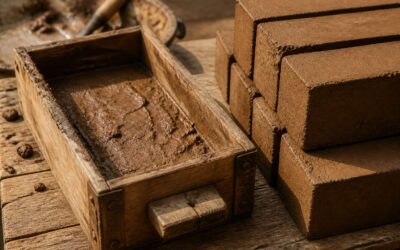
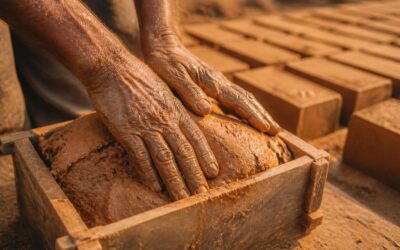
Forming bricks in a home studio is an intimate dialogue with earth. I hear it speak in the crackle of a dried slab, guiding the pace toward future walls.
Drying, firing, and finishing at home
Earth’s clock keeps perfect time in a South African sun, and in a compact home studio that clock guides the brick-maker’s steps. “The earth never lies,” a veteran mason reminds me, and that truth threads through making clay bricks at home, turning soil into memory and home.
An outline for planning drying, firing, and finishing at home keeps the dream coherent, a map drawn with wind and shade. Key considerations:
- space and ventilation that respect local humidity
- surface containment to manage dust and drift
- timing flexibility for weather shifts
- finish textures suited to climate and light
Let this framework loosen the earth’s stubbornness into form, and watch walls breathe with the landscape! The journey is less about tools and more about listening to texture, colour, and light, shaping a craft that speaks of place and patience.
0 Comments