
Understanding the Basics of Making Bricks at Home
Why make bricks at home and potential benefits
“A brick is a small sunrise you lay at dawn.” In a sunlit shed, every block becomes a letter in a warm, living story of building, and the journey of making bricks at home shows how soil, sun, and handwork fuse into durable walls. The rhythm of moisture and texture guides the clay from mud to masonry, generation after generation.
Why make bricks at home? It connects craft to climate and community. Local materials cut transport, while bespoke blocks suit South Africa’s varied landscapes and designs.
- Cost awareness without sacrificing quality
- Climate-ready customization for regional settings
- Lower environmental impact through local sourcing
In South Africa, these blocks can harmonize with sunlit exteriors and strong, resilient walls that tell a place’s story—proof that craft meets science in quiet, enduring ways.
Safety considerations and personal protective equipment
In the sun-burnished South African shed, safety isn’t an afterthought—it’s the mortar that holds every moment together. It reminds me that a wall’s character comes from the care taken at the start, especially when you embark on making bricks at home. Dust, heat, and moisture meet here, and respect for them protects both family and future walls.
Personal protective equipment acts as a quiet guardian. From respirators to sturdy boots, these items keep lungs clear, feet sure, and hands steady.
- Safety glasses or goggles
- Dust mask or respirator
- Gloves for grip and skin protection
- Protective clothing or long sleeves
- Sturdy boots with good traction
Above all, a well-ventilated space and tidy workflows help maintain the calm rhythm of the work. The goal is durable walls and a safe shed that can tell a life-long story of local clay and sun.
Local regulations, permits, and zoning
In South Africa, making bricks at home is as much about respect for place as it is about craft. A compelling line from a veteran bricklayer lingers: the wall you build tomorrow is tethered to the rules you observe today. For anyone exploring making bricks at home, understanding the regulatory landscape is essential.
Local regulations, permits, and zoning shape where a shed-based operation can breathe. The runway of compliance includes plans, environmental rules, and safety expectations that protect neighbours and workers alike. Key considerations include:
- Local planning and zoning checks
- Building and environmental permits for structures or kilns
- Waste, dust, and water discharge regulations
- Workplace safety standards for small-scale operations
Even in a homestead project, dialogue with the municipal office is part of the craft—because clear permissions keep the clay and sun from becoming a source of conflict rather than collaboration.
Overview of brick types and ideal applications
Materials and Formulations for Homemade Bricks
Soil testing and selecting appropriate clay or earth
Soil testing is the unsung hero of making bricks at home. A SA builder’s nudge: the right clay choice can halve shrinkage cracks in early firing. The trick is earth with enough plasticity and few naughty impurities—bricks that bend with your mistakes, not crack under pressure.
Materials and formulations start with the soil, then temper and water. Here’s what typically goes into a practical mix:
- Clay or earth with adequate plasticity and low organic content
- Sand or grog to improve workability and reduce shrinkage
- Water to hit the right consistency
- Temper such as straw, chopped fibres, or fibre-rich add-ons to limit cracking
- Optional binder (cement or lime) for extra strength in load-bearing applications
Different clays demand different formulations; run small test batches, note moisture, and adjust before you pour into the moulds. The beauty of home brick work in South Africa is flexibility—the same mix can adapt to winter sun or hot summer winds with patience and practice.
Binder options and cement ratios
For those curious about making bricks at home, a handful of soil and a patient sun can birth blocks that endure. It’s a quiet alchemy—earth, water, and intent—where bricks bend with your plans, not snap under pressure.
Consider these binder options and cement ratios:
- Cement binder: 5–10% of dry mix by weight to boost strength for loads.
- Lime binder: 5–8% by weight to improve workability and reduce cracking.
- Cement–lime blends: 3–6% cement with 5–10% lime for balanced stabilization.
- Natural fibres (straw or chopped fibres) used as temper to limit cracking and improve plasticity.
Let the clay speak in whispers; patience reveals balance as sun and wind sift through South Africa’s seasons.
Aggregate choices and ratios for strength
In the quiet heat of a South African afternoon, bricks become a personal thesis on effort and endurance. For those exploring making bricks at home, the aggregate you choose speaks as loudly as the binder you blend with it.
Local soils and sands vary across provinces, so see aggregate as the backbone that carries both load and memory. The options below reflect common realities of a home workshop:
- Fine sand to fill voids and improve cohesion
- Crushed stone chips for a tougher, matrix-like texture
- Gravel with rounded particles for better workability and slip resistance
In ratios, balance is the quiet engine. More aggregate can boost strength, while still keeping the mix workable; general guidance places the aggregate-to-binder range roughly from 4:1 to 7:1 by weight.
Alternative brick recipes: adobe, compressed earth, and cement bricks
Across South Africa’s diverse landscapes, making bricks at home is a practical assertion of resourcefulness. The promise isn’t in the mold alone but in material choices that shape strength, texture, and longevity. Local soils can be harnessed creatively, turning everyday earth into viable building blocks.
Adobe bricks rely on sun-dried earth and fibrous reinforcement, a low-tech approach that respects climate and small-scale workspaces. Compressed earth bricks use a hydraulic press to compact a soil mix into sturdy blocks, while cement bricks pair cement with sand and water for a familiar, predictable matrix.
- Adobe bricks rely on sun-dried earth mixed with natural fibers.
- Compressed earth bricks use soil blended with stabilizers and compacted in a press.
- Cement bricks combine cement, sand, and water for a consistent matrix.
Each path offers different texture and performance, letting builders adapt to local soils and workshop space—considerations for South Africa’s settings.
Tools, Molds, and Equipment You Need
Essential tools and safety gear
Brick making is turning raw earth into enduring walls, and in South Africa many homeowners embrace this practical craft. The right tools and safety gear set the tone for quality work. This journey is about making bricks at home, so dependable equipment matters from day one!
Essential tools and safety gear keep the process safe and steady. The following essentials handle the heavy lifting and protect you on site:
- Sturdy shovel and mixing tub
- Wheelbarrow for transport
- Trowel and pointing trowel for shaping
- Measuring jug and level for consistency
- Personal protective gear: durable gloves, clear safety goggles, and a dust mask
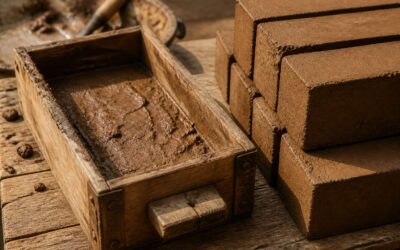
Molds and equipment you need extend beyond mere bricks. Wooden molds are forgiving, metal ones yield crisp edges, and each requires a clean, seasoned surface. Proper care of molds and consistent handling of equipment impact the final look and strength of the bricks.
Brick molds: types and maintenance
Tools, molds, and the quiet machinery of a home workshop—this is how a simple earth becomes a durable wall. For making bricks at home, the mold you choose shapes the grain and the edge, from forgiving wooden forms to crisp-edged metal dies. Start with a clean, seasoned surface to foster smooth releases!
- Wooden molds: forgiving by nature, they age gracefully when kept on a well-seasoned surface, reducing sticking and irregularities.
- Metal molds: offer crisp edges and long life, with regular inspection for burrs and rust to preserve consistent release.
- Composite or plastic molds: lightweight and quick to deploy, wear and deformation are the main maintenance concerns to track for even patterns.
Regular cleaning, proper storage, and rust-preventive care extend the life of your equipment, keeping the workflow steady and predictable.
Work area setup and workflow optimization
In a sunlit corner of a South African shed, making bricks at home becomes more than labor—it’s a ritual. The right tools are quiet, almost magical companions: a steadfast workbench that wears its years like a badge, a broad trowel that glints with promise, and storage that sighs when you close the lid. Molds cradle your ambition: wooden forms with forgiving grain, crisp-edged metal dies, and light composite shapes that invite steady, rhythmic cycles. A clean, seasoned surface whispers of smooth releases and steady hands.
Tools and equipment cluster into three ankles of activity:
- Hand tools and surfaces: trowels, floats, damp cloth
- Molds: wooden, metal, composite varieties
- Support gear: sturdy table, water source, ventilation
Flow through the space with a quiet rhythm, letting light, air, and order do the heavy lifting.
Process, Curing, and Quality Control
Mixing and forming bricks consistently
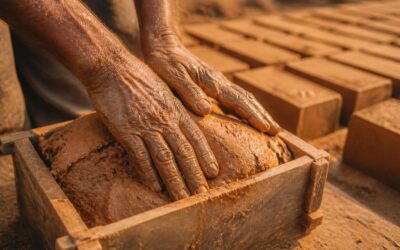
In the Process stage of making bricks at home, consistency is king. Mixing, molding, and handling must stay steady, with attention to particle size, moisture, and binder interactions. A measured tempo keeps brick homogeneity across varied South African conditions!
Curing matters more than most admit. Bricks need gradual, even drying to avoid cracks and warping; keep them shaded or sheltered from direct sun on hot days, then let conditions stabilize before use.
Quality control centers on uniformity. Check size, density, and surface finish, and sample bricks from different batches.
- Visual inspection for cracks and voids
- Dimensional checks against standard measurements
- Consistent moisture and binder distribution
Curing practices and humidity control
In the Process stage, steady mixing and forming keep brick homogeneity intact. Watch particle size, moisture, and binder interactions; a measured tempo avoids pockets and inconsistencies. For those making bricks at home, consistent procedures translate to stronger, flatter units!
Curing matters more than many admit. Bricks dry gradually and evenly to avoid cracks and warping. On hot days, shade or shelter them from direct sun, then let conditions stabilize before use. Humidity control helps prevent surface defects.
Quality control centers on uniformity. Check size, density, and surface finish, and sample bricks from different batches.
- Visual inspections for cracks and voids
- Dimensional checks against standard measurements
- Consistent moisture and binder distribution
Testing for compressive strength and durability
Process is the quiet hinge between intention and impact! Steady mixing and even forming keep a brick’s interior consistent, while watching particle size, moisture, and binder interactions ensures a smooth, uniform texture. For those embracing making bricks at home, this rhythm translates into blocks with character and resilience.
Curing matters more than many admit. Bricks dry gradually and evenly, a discipline that curbs cracks and warping. The environment’s temper—sun, shade, and humidity—shapes the final strength, guiding moisture toward equilibrium and delivering durability that lasts.
Quality control testing anchors every build to compressive strength and durability. Uniformity is the aim: visual integrity, dimensional conformity, and consistent moisture and binder distribution across the batch. The following checks help keep a project true:
- Visual inspection for cracks and voids
- Dimensional accuracy against standard measurements
- Moisture and binder uniformity across samples
Common brick defects and fixes
Process, curing, and quality control are the three staves of brick craft—the quiet hinge between intention and impact. In making bricks at home, steady mixing and even forming keep the interior uniform, while mindful particle size and binder interactions ensure a smooth, resilient texture. Curing matters: gradual drying and protection against harsh sun turn potential flaws into durable, wall-ready blocks.
- Cracks and voids from uneven drying: steady moisture, shade, and gentle airflow.
- Honeycombing and surface voids: thorough mixing and firm compaction to fill pockets.
- Warping from uneven thickness: uniform forming pressure and consistent mold fill.
- Dimensional inconsistency: conditioning molds and sample checks for uniform thickness.
Quality control testing anchors every build to visual integrity, dimensional conformity, and uniform moisture and binder distribution across samples. Regular checks keep the project true to plan and deliver bricks with lasting character.
Packaging, storage, and transport considerations
Process, curing, and quality control are the three staves that keep bricks honest. In making bricks at home, steady mixing and even forming lock in uniform cores, while binder interactions shape a smooth, resilient texture. South Africa’s sun demands patience—drying must be controlled, not rushed.
Curing matters when blocks leave the mold: gradual drying, shade, and protection from harsh sun preserve strength and prevent cracks. Packaging and storage require a dry, ventilated space and orderly stacking so bricks stay true to size. Transport adds the final test—secure placement minimizes shifting and damage on the road.
- Moisture management
- Sun and wind protection
- Secure stacking and labeling
Quality control travels with the load, anchoring every batch to visual integrity and dimensional consistency across samples. Packaging, storage, and transport considerations keep the project coherent from shed to site. It all circles back to durable craftsmanship with lasting character.
Finishing, Installation, and Practical Projects
Surface finishes and texture options for aesthetics
Finishing choices sculpt the rough heart of brick into character. Textured surfaces play with light, while earthy tones resonate with South African landscapes, giving walls a living rhythm. For many makers, making bricks at home infuses the process with place and pride.
Installation follows with care, letting joints and mortar tones echo the finish. Subtle shadow lines and clean edges enhance texture, while breathable sealants guard exterior surfaces against sun and rain. A mindful layout respects sightlines and climate, preserving the beauty of the work.
Practical projects invite texture to tell its story. Consider a feature wall, a garden boundary, or a patio face that pairs with metal or timber accents.
- Textured brick face with lime plaster for softness
- Raked joints to cast shifting shadows
- Breathable sealants to preserve colour
These endeavors celebrate surface finishes and texture, turning humble bricks into companions for daily life.
Using bricks in walls, arches, and decorative features
Finishing gives the humble brick its personality. Textured faces, lime plaster softness, and deliberate joint work sculpt light into shadow, turning walls into living surfaces. Breathable sealants protect colour against South Africa’s sun and rain, while earthy tones reinforce a landscape’s steady rhythm.
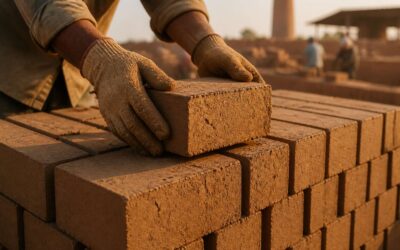
Installation follows with intention, letting mortar tones echo the finish. Subtle shadow lines and clean edges reward careful laying, and a mindful layout respects sightlines and climate. The thrill of making bricks at home becomes visible in arches and walls that breathe, aging gracefully and resisting the elements.
Practical projects show how texture speaks. A feature wall, a garden boundary, or a patio face can pair with metal or timber for a quiet, contemporary drama.
- Feature wall that frames a doorway
- Garden boundary with a soft, drifting silhouette
- Arched detail or niche to showcase lighting
Environmental considerations and sustainability
Finishing isn’t decoration; it’s climate strategy. Made at home, breathable finishes and low-VOC binders temper heat swings and invite the walls to age with dignity.
Installation follows with intention: lines, shadows, and clean edges that respect sightlines and climate. The result is a living surface that breathes, aging gracefully while resisting the weather South Africa throws at it.
Practical projects translate this philosophy into daily spaces. A feature wall, a garden boundary, or an arched niche quietly stage light and texture for contemporary drama.
- Feature wall framing a doorway with lime plaster and soft shadows
- Garden boundary using local soil textures for seamless integration
- Arched niche or alcove to showcase lighting and herbal greens
Environmental considerations and sustainability thread through every choice: locally sourced clay minimises transport, water recycling during curing reduces waste, and natural pigments extend colour life with less maintenance—an elegant, ethical path to making bricks at home.
Maintenance and longevity of home-made bricks
Finishing is climate strategy: breathable finishes and low-VOC binders temper heat swings and invite walls to age with dignity. In the context of making bricks at home, the finish becomes a protective, living layer that breathes with the seasons and the South African climate.
Installation follows with intention: lines, shadows, and clean edges that respect sightlines and climate. When bricks are laid, lime plaster or mineral paints—breathable and subtle—help the surface move with humidity rather than against it.
- Feature wall framing a doorway with lime plaster and soft shadows
- Garden boundary using local soil textures for seamless integration
- Arched niche or alcove to showcase lighting and greens
Maintenance and longevity hinge on consistent care and respect for materials—patience, not punitive upkeep! This approach keeps home-made bricks resilient and expressive, a durable response to South Africa’s weather and daily living. This, too, is the promise of making bricks at home.
0 Comments