
Brick making machinery insights in Kenya
Market landscape and demand in Kenya
In Nairobi’s bustling outskirts, construction is sprinting ahead and productivity is the new currency. The buzz around bricks making machine in kenya is turning backyards into compact factories, delivering 18% faster laydowns and cleaner sites—a stylish disruption even seasoned developers applaud.
Market dynamics mix local ingenuity with steady demand. Kenyan buyers seek reliability, accessible service networks, and consistent brick sizes for faster build cycles. For South African readers, the cross-border dialogue with Kenyan suppliers underscores a shared appetite for dependable automation.
- Power stability matters on site
- Strong after-sales support
- Compatibility with local standards
Machine types and technology options
In a region where speed matters as much as strength, the bricks making machine in kenya spans a surprising spectrum of capability. A Nairobi project lead notes, “Automation powers faster, cleaner brickwork!” A sentiment that travels well across Southern Africa as cross-border suppliers align on dependable automation.
- Hydraulic brick presses delivering dense, uniform bricks with minimal downtime
- Vibration-assisted block makers for hollow and decorative units
- Interlocking brick machines that reduce mortar on site
Beyond the basics, technology options include PLC-driven controls, robust power-tuning for Kenya’s grid, and remote diagnostics that cut service cycles. On-site compatibility with local standards and trusted service networks shapes where projects go next.
Cost, financing, and ROI in Kenya
In Kenya’s busy yards, speed and reliability define the project’s fate. A bricks making machine in kenya can transform a modest workshop into a steady supplier, with entry hydraulic models around $12,000 and PLC-controlled presses climbing beyond $60,000. The right setup slashes waste and boosts output, a lesson South African investors recognize when cross-border projects demand predictable revenue.
Financing this upgrade fits Kenyan budgets when you mix local knowledge with smart options. Equipment leasing, supplier finance, and working-capital loans align with cash cycles. Consider these common routes:
- Equipment leasing with 20–40% upfront and 12–36 month terms
- Vendor financing tied to delivery and service packs
- Working-capital loans backed by assets or orders
ROI mirrors demand and uptime. When a yard operates near capacity, the bricks making machine in kenya can deliver payback in 12–18 months through labor savings and consistent quality. Ongoing maintenance and trusted service networks keep the numbers on track.
Installation, maintenance, and support
A bricks making machine in kenya is only as reliable as its first sunrise. Installation should be precise, almost ceremonial—level floors, clean power, and a commissioning that signals a new standard.
Once mounted, expect a quiet partner in your yard: robust calibration, proper water and vibration isolation, and a training window for operators. Good service makes downtime a nuisance, not a catastrophe!
Some pillars of enduring support:
- On-site commissioning and operator training
- Remote diagnostics and responsive service networks
- Spare-parts availability and warranty coverage
Maintenance is an ongoing dialogue; regular lubrication, belt checks, and alignment reviews are part of the ongoing rhythm, designed to minimize surprises and maximize uptime. In South Africa, cross-border projects demand not only steel but service networks that travel well.
Regulatory, sustainability, and market opportunities
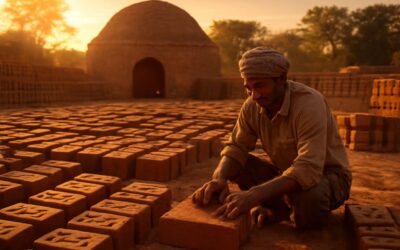
Hidden in the red dust of rural yards, a quiet standard is rising: the bricks making machine in kenya is shifting from mere utility to a beacon of dependable, regulated craft. Regulators push for accountability, from emission controls to local content, inviting builders to blend tradition with modern systems that respect soil and water. Sustainability threads through every decision, from reduced waste to energy-efficient motors, turning every shift into a story of stewardship.
Market opportunities mirror this discipline: safer, compliant supply lines open doors to municipal contracts and school projects, while rural neighborhoods benefit from predictable quality and speed.
- Regulatory alignment with environmental standards and local content
- Access to financing shaped by green and compliant manufacturing
- Growth corridors in peri-urban housing and small-town industrial zones
These currents make the sector resilient and humane, a craft that feeds families and fuels small economies.

0 Comments