
Outline of materials and processes used in bricks and cement production
Core materials for bricks and cement
South Africa’s skyline grows on bricks and cement, with millions of tons moved each year. As a seasoned foreman quips, “The right mix makes a wall endure.” So, what is used for making bricks and cement isn’t a mystery—it’s a disciplined blend of geology and ingenuity.
Core materials for bricks and cement are carefully sourced to deliver consistency and colour.
- Clay and shale
- Limestone and clay
- Silica sand
- Gypsum
- Water and admixtures
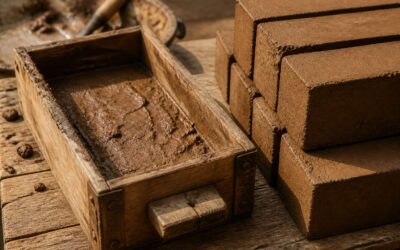
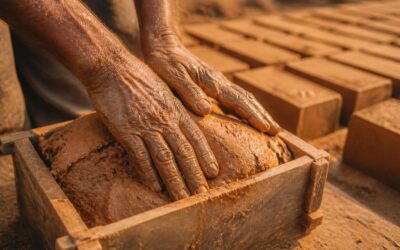
Bricks begin with clay and shale, tempered and shaped, dried, and fired in kilns to fixed textures. Cement follows limestone quarried and blended with clay, then fired to clinker and ground with gypsum to form a binding powder. The result is durability and form—an architectural language you feel in every facade.
Manufacturing processes and material preparation
South Africa’s skyline grows on brick and cement, and the clock of industry never stops. What is used for making bricks and cement? A disciplined blend of geology and ingenuity—stone, clay, and energy turned into enduring walls.
Manufacturing begins with careful material preparation: exploration, crushing, grinding, and blending to meet project specs. The journey follows a measured rhythm:
- Extraction and primary comminution
- Fine grinding, homogenisation, and additives
- Clinker formation in controlled kilns for cement
- Final grinding with gypsum and packaging
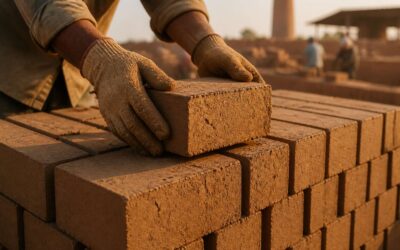
In bricks, shaped moisture-tempered clay travels from stockpiles to kilns, while cement clinker meets gypsum for the binding powder that seals a facade in time. The process marries science with craft, producing a durable chorus you can see and feel with every step.
Sourcing and quality considerations
Cities in South Africa are written in mortar and memory, and every brick whispers a story of what is used for making bricks and cement. The answer is a disciplined blend of geology and ingenuity—clay, limestone, silica, and energy—turned into enduring walls. Sourcing begins with geology and ends in precision, as materials are measured to project specs and tested for consistency in moisture, composition, and performance.
Outline of materials and processes used in bricks and cement production reveals a quiet choreography.
- Clay-rich brick inputs, tempering, moisture control
- Calcium carbonate limestone, silica additives, gypsum for cement clinker
- Energy, kilns, and grinding to final fineness
Sourcing and quality considerations anchor the craft, linking quarry margins to site performance.
Sustainability, waste, and byproducts
Every brick carries a whisper of geology and ingenuity. Across South Africa, the outline of materials and processes reveals a disciplined rhythm: clay, limestone, silica, and energy choreographed into enduring walls. I know a tonne of cement can emit roughly a tonne of CO2, a stark reminder that sustainability must guide every decision.
Thinking about what is used for making bricks and cement invites a deeper look at inputs and byproducts. In this context, the craft becomes a balance of durability and stewardship.
- Fly ash and silica fume from power and metallurgical streams
- Ground granulated blast-furnace slag (GGBFS) and other slags
- Gypsum byproduct from sulfuric processes and recycling streams
- Recycled concrete fines and mineral wastes for base materials
From kiln to quarry, waste becomes resource through co-processing, energy recovery, and selective material use that honors the land. These practices keep the craft resilient, maintain performance, and invite ongoing innovation.
0 Comments